The Tool Worked. Nobody Used It.
The automation that fails isn't the one that breaks. It's the one that works perfectly and gets abandoned inside a month.
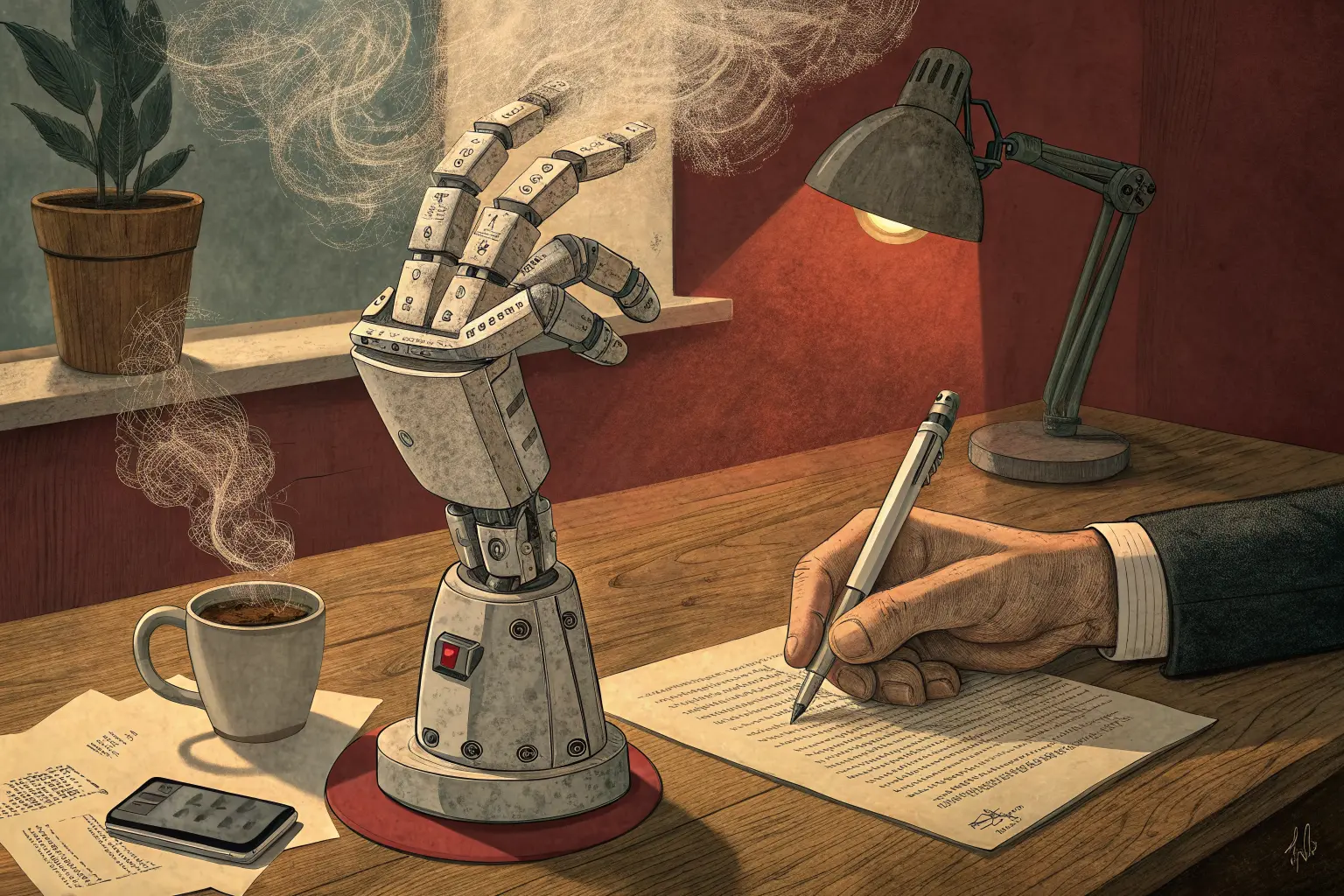
The automation I'm proudest of ran for five weeks and then nobody touched it again. It worked. That's the part that still bugs me. It did exactly what the demo promised, every single time, and by week six it was a browser tab nobody opened.
Here is what I've learned building this stuff for real businesses. The technology is almost never why it fails. I can get the thing working. Getting a five-person shop to actually use it is a different job, it's the harder one, and it's the one nobody quotes you for.
The failure you're braced for is the dramatic one. The AI makes something up, the integration crashes, the bill spikes overnight. Those happen, and I've written about all of them. But the quiet killer is worse, because it looks like success. The tool works perfectly and gets abandoned anyway, because using it meant one person changing one habit, and that person never asked for it.
I built a quote follow-up system for a service company once. When a quote went out and the customer went quiet for three days, it nudged them automatically. Boring, clean, exactly the kind of thing that quietly makes money. It also needed the office manager to tag each quote as "sent" in one field. One click. She had been running that front office for eleven years without me, and she trusted her way. So she kept doing it her way, the tagging slipped, the automation had nothing to fire on, and the whole thing went silent. It didn't break. It starved.
That's the pattern under almost every dead automation I've seen. Every one of them has a seam where a human still has to do something. Feed it, tag it, approve it, or act on what it hands back. The demo hides that seam on purpose. The demo shows the machine doing the work start to finish, on clean data, with nobody's actual Tuesday in the way. It never shows the part where your best employee, mid-shift, has to decide to change how she has done her job for a decade.
The tool was the easy twenty percent. The habit was the eighty percent nobody priced.
There's a mirror version of this too. Sometimes the input works fine and it's the output nobody touches. I've built dashboards that flagged exactly which customers were about to walk, accurate and sitting right there, unread for weeks. Acting on it meant someone picking up the phone and having a conversation they'd been dodging for years. The AI did its half. The human half was never a data problem. It was a nobody-wants-to-make-that-call problem, and no model on earth fixes that.
Now think about the person who actually has to change. Usually they didn't buy the tool. You did, or a vendor sold it to the owner over coffee. The human whose day it rearranges was in the field or on the phone during that meeting. They inherit a new step they didn't ask for, don't trust yet, and can't see the point of, because the point lives in your head, not theirs. New software plus no buy-in equals shelfware, every time, no matter how good the software is.
Vendors are quietly fine with this, because it protects them. When the tool goes unused, it is never the tool's fault. "Adoption challenges." "Change management." "You'll need executive sponsorship." All true, and all a polite way of saying the thing they sold you never included the only part that was ever going to be hard. They sold you capability. Nobody sells you behavior change, because behavior change doesn't demo well and can't be shipped in a login.
So before you sign anything, do this. Name the one person whose daily routine has to change for this to work. Not the owner, not you. The actual human who now has an extra step, a new screen, or an old habit to break. Then ask two questions. Were they in the room when this got decided? And does the tool add a step to their day or take one away? If they weren't in the room, put them in it before you pay. And lean hard toward the automation that removes work over the one that asks someone to feed it. A tool that saves your office manager ten minutes a day gets used until the sun burns out. A tool that costs her one click she doesn't believe in is dead by Friday.
The automation I'm proudest of is dead, and it's dead because I solved the wrong problem beautifully. I built the machine when I should have built the habit. So the first question I ask a client now isn't what do you want to automate. It's who has to change, and do they know it's coming. If you can't answer that, you're not buying a tool. You're buying a tab nobody opens.